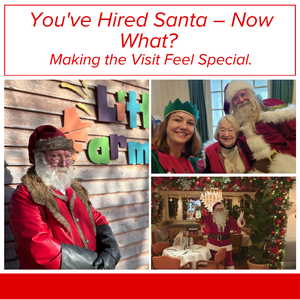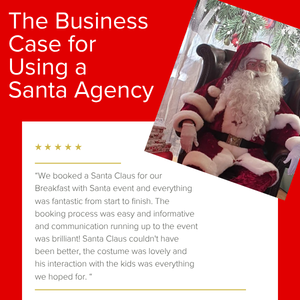
You've Hired Santa – Now What? Making the Visit Feel Special, Not Staged Booking Santa…
Why Businesses Are Thinking About Christmas Earlier Than Ever Before
Christmas planning was once straightforward. Businesses shifted focus after summer, brought out decorations, finalised marketing, and shaped events as autumn arrived. The simpler demands of festive events made this approach effective for many organisations.
Fast forward to the present day, and the picture looks very different. Across retail, hospitality, visitor attractions, garden centres and community venues, Christmas has evolved into one of the most commercially important periods of the year. It is no longer viewed as a seasonal add-on or a few busy weeks at the end of December. Instead, it has become a major business project that requires planning, investment and coordination across multiple departments and suppliers.
As a result, many organisations are beginning their Christmas conversations earlier than before, not out of eagerness to rush, but with the understanding that successful festive events require advance planning.
Why Christmas Planning Now Starts Alongside Summer Planning
One of the biggest changes in recent years is that Christmas no longer exists in isolation. For many businesses, particularly customer-facing venues, Christmas planning sits alongside every other commercial activity taking place throughout the year.
Take a garden centre as an example. During spring and summer, management teams focus on seasonal retail sales, outdoor displays, staffing levels and visitor numbers. At the same time, conversations begin about festive dining experiences, Christmas displays, Santa visits, ticketing systems and promotional campaigns. While customers may only see the finished result in November and December, much of the work that creates that experience has often started months earlier.
The same is true within hospitality. A hotel planning Christmas party nights may also be managing weddings, conferences and summer functions. Visitor attractions are balancing peak summer attendance whilst planning their festive programmes. Schools are considering term dates, performances and community events long before Christmas decorations appear in classrooms.
The reality is that Christmas has become part of an annual planning cycle rather than a seasonal project.
Why Early Christmas Planning Creates Better Commercial Outcomes
One of the most interesting observations from years of supporting Christmas events is that the businesses which appear most relaxed during December are often the ones that started planning earliest.
This is not simply about securing dates. It is about creating options.
When organisations begin discussing Christmas earlier, they give themselves time to make better decisions. They can compare ideas properly, allocate budgets more effectively and ensure that festive experiences complement wider business objectives. They are not making decisions under pressure or simply accepting whatever availability remains.
This becomes particularly relevant when visitor experiences are involved. Whether the event includes Santa visits, festive entertainment, themed dining or family attractions, the quality of the planning process often determines the quality of the customer experience.
Customers rarely see the planning itself, but they certainly feel the effects.
What Santa Bookings Tell Us About Changing Business Behaviour
One trend we have seen at Hire a Santa is that Christmas bookings are moving earlier, particularly among organisations that view festive events as an important part of their commercial calendar.
This is not necessarily because demand is increasing dramatically year on year. More often, it reflects the fact that businesses have become more strategic in their approach to Christmas.
A garden centre investing heavily in a Christmas attraction knows that the Santa experience will be one of the key reasons families visit. A hospitality venue running festive family events understands that Santa becomes a central part of the customer journey. Schools and community venues recognise that Christmas events often become some of the most memorable moments of the year for children and families.
Because of that, businesses increasingly want certainty. Once major elements such as Santa visits, festive characters and entertainment are secured, the rest of the planning process becomes significantly easier.
Christmas Is No Longer a Seasonal Event, It Is a Business Strategy
Perhaps the biggest change over the past decade is that Christmas has moved from being a seasonal activity to becoming an important part of many organisations’ annual business strategy.
The businesses that consistently deliver successful festive experiences are not necessarily spending more money or creating larger events. More often, they are giving themselves more time. They understand that customer expectations have increased, operational demands have become more complex and festive events now play a significant role in attracting visitors, generating revenue and strengthening customer loyalty.
The lesson is not simply that businesses should book Santa earlier or start decorating sooner. It is that Christmas works best when it is viewed as part of a wider commercial plan rather than a last-minute seasonal task.
The organisations that understand this are often the ones that appear calmest in December, because while everyone else is trying to catch up, they are already enjoying the results of decisions made months before.

Related Posts