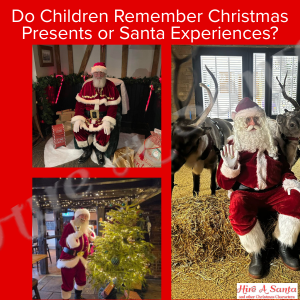
Do Children Remember Presents or Experiences? What Christmas Teaches Us Every Christmas, parents watch their…
AreWhat Do Elves Do After Christmas?
Once Christmas Day has passed and the excitement begins to settle, children often ask a simple but surprisingly thoughtful question. What do the elves do now?
After all, for weeks leading up to Christmas, the elves are busy in the workshop, wrapping presents, preparing the sleigh and helping Santa get ready for his biggest night of the year. Then suddenly, it is all over.
Or is it?
The truth is, life for Santa’s helpers does not stop after Christmas. In fact, what happens behind the scenes at the North Pole in the quieter months is just as interesting as the festive rush. The magic does not disappear, it simply changes pace.
Life After Christmas at the North Pole
January and February are often described as the quiet months at the North Pole, but that does not mean nothing is happening. The energy shifts from urgency to calm organisation.
Elves are not the sort to sit still for long. While Santa takes a well-earned rest, the elves begin to tidy, repair and reset the workshop after the busiest time of the year.
A Time to Tidy and Reset
After weeks of wrapping presents and preparing deliveries, the workshop needs attention. Ribbons are gathered, tools are sorted and workbenches are cleared.
This is not rushed work. It is careful and methodical. Elves take pride in their space, and this quieter period allows them to restore order.
Children often imagine the North Pole as full of constant activity, but this calmer period is part of what keeps everything running smoothly year after year.
Elf Jobs Go Far Beyond Wrapping Presents
One of the biggest misconceptions is that elves only wrap presents. In reality, their roles are much broader and far more creative.
Different Types of Elves
Some elves are toy makers, designing and building gifts. Others are organisers, making sure everything is labelled and packed correctly. Some focus on caring for the reindeer, while others help prepare Santa’s routes for Christmas Eve.
There are even elves who specialise in letters, reading messages from children and keeping track of important details.
Did You Know?
It is said that elves can wrap presents incredibly quickly, but they prefer not to rush. They enjoy singing while they work, which helps keep the atmosphere cheerful and steady in the workshop.
The Quiet Creativity of the New Year
Once the workshop is tidy, the elves begin one of their most important tasks. Thinking.
This is the time of year when new ideas are explored. What toys might children enjoy next Christmas? Are their improvements which can be made? Which stories will Santa tell during his visits?
Without the pressure of a deadline, elves are free to be creative.
A Season for New Ideas
Spring and early summer at the North Pole are all about imagination. Elves sketch designs, test ideas and experiment with new concepts.
This creative period is essential. It is what keeps Christmas feeling fresh and exciting each year.
What About Santa During This Time?
While the elves stay busy, Santa himself takes a slower approach to the new year.
He reflects on the season just gone. The children he met, the stories he told and the moments that stood out.
Santa’s role is not only about delivering presents. It is about connection. That is why these reflections matter.
A Well Earned Rest
Santa enjoys simple things in the quieter months. Warm drinks, long walks in the snow and time with Mrs Claus.
Children often find comfort in knowing that Santa rests too. It makes him feel more real, more human, and more relatable.
Mrs Claus Keeps Everything Running Smoothly
While Santa rests and the elves reset, Mrs Claus continues her steady role at the heart of the North Pole.
She ensures everything runs smoothly, from the kitchen to the workshop schedule. She supports the elves, checks on Santa and keeps the whole operation balanced.
A Fun Fact About Mrs Claus
Mrs Claus is often said to be in charge of the biscuit cupboard, which is why it is always full. Elves rely on her baking during busy periods, and her kitchen is one of the warmest places at the North Pole.
Her role may be quieter, but it is essential.
The Reindeer After Christmas
The reindeer are another important part of the North Pole team, and their routine changes after Christmas too.
After their long journey on Christmas Eve, they enjoy a period of rest and recovery. They spend time grazing, being groomed and preparing for the year ahead.
Did You Know?
Reindeer are believed to be able to run extremely fast over short distances, which is part of what makes the Christmas journey possible. In festive stories, their strength and endurance are carefully maintained throughout the year.
Rudolph, of course, enjoys a break from guiding the sleigh, although his glowing nose remains a favourite topic of conversation among the elves.
Why These Stories Matter for Children
The idea of what happens after Christmas helps children extend their imagination beyond the festive season.
Instead of Christmas feeling like a sudden stop, it becomes part of a longer story. The North Pole continues. The elves continue. Santa continues.
This ongoing narrative supports creativity and curiosity.
Children often ask more questions in January than they do in December. They want to understand how everything works. These stories give parents and teachers a gentle way to keep the magic alive.
How This Connects to Real Santa Experiences
In real life, Santa visits and festive events follow a similar pattern. The magic seen in December is supported by preparation, thought and care behind the scenes.
At Hire a Santa, we see how much attention goes into creating those moments. It is not just about the day itself. It is about understanding what children notice, how they respond and what makes the experience feel real.
The calm, thoughtful approach that children experience during a Santa visit reflects the same idea as the North Pole in January. The magic is built quietly, over time.
Keeping the Magic Alive Beyond Christmas
One of the loveliest things about these behind-the-scenes ideas is that they allow the magic of Christmas to continue in a softer way.
Children can imagine the elves tidying the workshop, Mrs Claus baking in the kitchen and Santa resting by the fire. These images are comforting and reassuring.
They also help children understand that excitement and calm can exist together.
A Gentle Reminder About Christmas Magic
Christmas is often busy, but the quieter moments are just as important. The time after Christmas allows space for reflection, imagination and storytelling.
For children, these quieter stories can be just as magical as Christmas Day itself.
The Magic Never Really Stops
So what do the elves do after Christmas?
They tidy, they plan, they create and they keep the North Pole running quietly in the background. Santa rests, Mrs Claus organises and the reindeer recover.
The magic does not end. It simply slows down.
And perhaps that is the most comforting part of all. Christmas is not just a single day. It is a story that continues, gently and quietly, all year round.

Related Posts